'A completely new reality': Bolder measures are needed to prevent extreme water shortages in cities like Phoenix and Las Vegas that depend on the Colorado River
Get the world’s most fascinating discoveries delivered straight to your inbox.
By submitting your information you agree to the Terms & Conditions and Privacy Policy and are aged 16 or over.You are now subscribed
Your newsletter sign-up was successful
Want to add more newsletters?
Join the club
Get full access to premium articles, exclusive features and a growing list of member rewards.
Explore An account already exists for this email address, please log in. Subscribe to our newsletterCatastrophic water shortages are in store for the 40 million people living in areas fed by the Colorado River, even if cities in the region such as Denver, Phoenix and Las Vegas make dramatic cuts to their usage, recent research suggests.
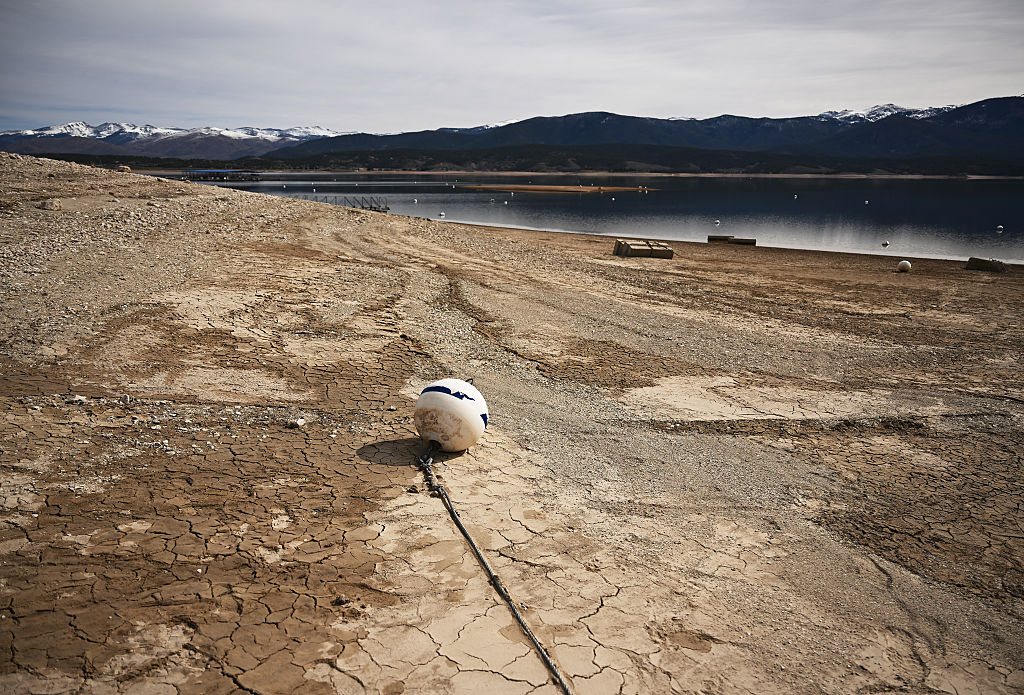
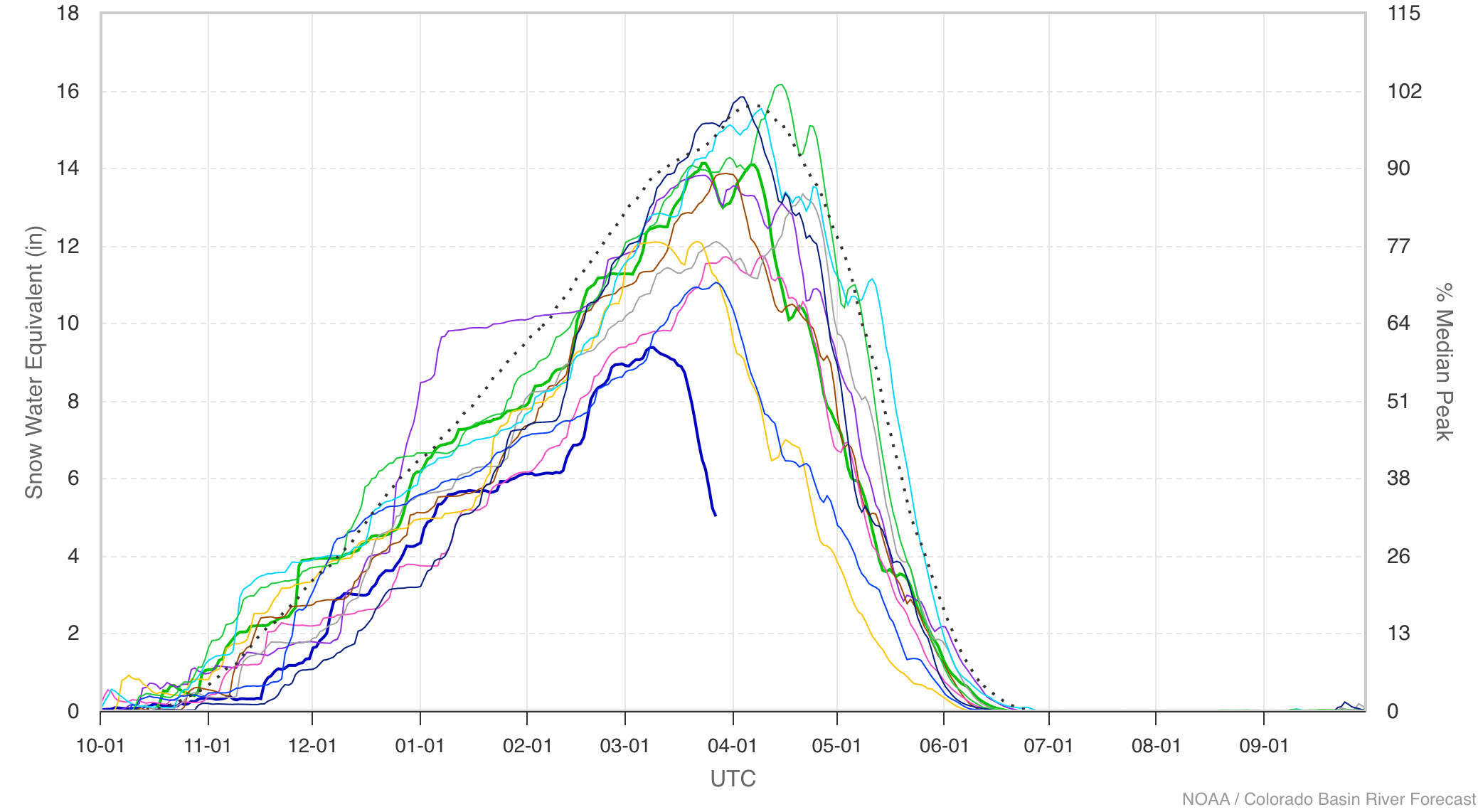
Water shortages could start as soon as this summer, as snowpack levels reached a record low over Lake Powell and the spring runoff into the Colorado River is expected to be minimal, experts told Live Science. And the region's major cities, which have already slashed their per capita water consumption by up to 58% between 2002 and 2025, can't solve the problem alone.
One piece of the puzzle
Seven states — Arizona, California, Colorado, Nevada, New Mexico, Utah and Wyoming — pull water from the Colorado River, and the amount allocated to each region is governed by a century-old document called the Colorado River Compact.
But the Colorado River basin, along with the rest of the U.S. Southwest, has been in a megadrought for 25 years. Between 2000 and 2019, the river's flows shrank by 20% due to climate change and water overuse to supply cities, agriculture and industry.
It's unprecedented; it's human-caused; it's scary, frightening, awful.
Brad Udall
Finding new water supplies is unlikely, so Obringer and her colleagues analyzed what would happen if three large cities fed by the river — Denver, Las Vegas and Phoenix — reduced their consumption by around 25% under various climate scenarios, ranging from a global temperature increase of about 2.9 degrees Fahrenheit (1.6 degrees Celsius) to an increase of 7.7 F (4.3 C) compared with preindustrial levels.
Sign up for the Live Science daily newsletter nowTheir results were published in December 2025 in the journal Water Resources Research. In most climate scenarios, demand management — which encompasses broad strategies such as raising awareness, offering rebates, and subsidizing low-flow devices — did not make up for lower water storage in urban reservoirs caused by higher temperatures and lower precipitation in the region. Denver, which is technically not located in the Colorado River basin but gets half of its water from the Colorado River, was the lone exception. Demand management compensated for river flow reductions in two high-emissions climate scenarios for the city. However, Obringer suspects some of those more optimistic results could be an artifact of the way the model handles uncertainties.
Cities fed by the Colorado River basin have reduced water use through programs aimed both at demand and reuse. In Las Vegas, for example, residents receive cash rebates for replacing water-heavy lawns with desert plants. The city, which gets 90% of its water from the Colorado River, also returns, after treatment, 40% of the water it uses to Lake Mead, where it can then be reused.

Cities have taken significant steps to reduce their footprint, and they will likely continue to improve, said Brad Udall, a senior water and climate research scientist at Colorado State University’s Colorado Water Center who was not involved in the study. As a result, some of the region's biggest cities use less water per capita than they did a few decades ago.
But the more efficient cities get, the fewer opportunities they will have to save and reuse water, Udall told Live Science.
Bigger water users
The results highlight a reality scientists have long known: Demand management alone cannot offset the Colorado River's dwindling flows, said Sharon Megdal, a professor and director of the Water Resources Research Center at the University of Arizona, who was not involved in the study.
Cities make up only 18% of water use in the region, while agriculture guzzles more than 70% of the basin's water. "Agriculture's the big user," Megdal told Live Science.
"You can't solve this problem without dealing with agriculture in a major way," Udall agreed. "Because agriculture is 70% of the problem, it needs to be at least 70% of the solution."
Individual farmers have senior water rights to Colorado River water, meaning they receive their full allocation regardless of whether there is a shortage, but political pressure is rising to allocate more water to cities and cut farmers' consumption, Udall said. For example, water managers may decide that farmers in Arizona have to relinquish water to supply the Central Arizona Project canal, which delivers water from the Colorado River to the central and southern parts of the state, including Phoenix and Tucson.
Since 2019, the Colorado River has shrunk so much that it is now 35% smaller than it was on average in the 20th century. "We've never seen flows like this," Udall said. "If these flows continue to drop, I do see agriculture in the Lower Basin not getting the supplies they do [now] and those supplies being reallocated to cities."
The problem is that farmers in the Lower Basin grow crops that benefit the region economically through exports, including alfalfa, cotton, vegetables and citrus fruit. In Arizona, roughly 20% of cropland is used to grow alfalfa for cattle feed. The state is also the biggest cotton producer in the Colorado River basin, and it grows up to 90% of leafy greens consumed in the U.S. and Canada.
To cut their water consumption, farmers can change their irrigation techniques and crop patterns, Megdal said. Drip irrigation, which delivers water directly to the roots, cuts evaporation and reduces water use by up to 50% compared with methods such as flood irrigation used for cotton and alfalfa. Thirsty crops such as alfalfa could be replaced with low-water forage mixes consisting of wheat, barley, oats, rye and peas. Recently, there has also been a focus on guayule, which is a substitute for rubber, as an alternative crop for farmers, Megdal said.
But farmers respond to demand and may have long-term contracts with buyers. "It has to be economical," Megdal said.
Agriculture should switch to more efficient irrigation, but it's also important to realize that some seemingly wasteful methods, such as furrow or flood irrigation, can replenish aquifers, which are also being depleted, Udall said.
Some farmers are letting their fields go fallow, which could happen more and more as water shortages intensify, Megdal added.
Renegotiating water rights
The Colorado River Compact is up for renewal this year, meaning there is an opportunity to devise a more sustainable agreement, Obringer said. But negotiations have stalled between the Upper Basin, which includes Colorado, New Mexico, Utah and Wyoming; and the Lower Basin, which encompasses Arizona, Nevada and California. While officials wrangle over the precise wording in the document, the underlying problem is that the Lower Basin needs more water than it's getting, even though the Upper Basin already uses less water than it was allocated in the compact.
Officials in the Upper Basin have argued that cuts should now fall exclusively upon the Lower Basin. But that can't happen, Udall said, because cuts need to be deep across the Colorado River basin to make a difference. No matter what the Upper Basin thinks it is entitled to, it must accept reductions in water use, he said.
Reality check
Solutions must be found and implemented immediately, because the Colorado River's future has never looked bleaker.
Winter brought barely any snow, and the little that fell melted in early March instead of April, meaning river flows this spring and summer could hit record lows. "It's unprecedented; it's human-caused; it's scary, frightening, awful," Udall said.
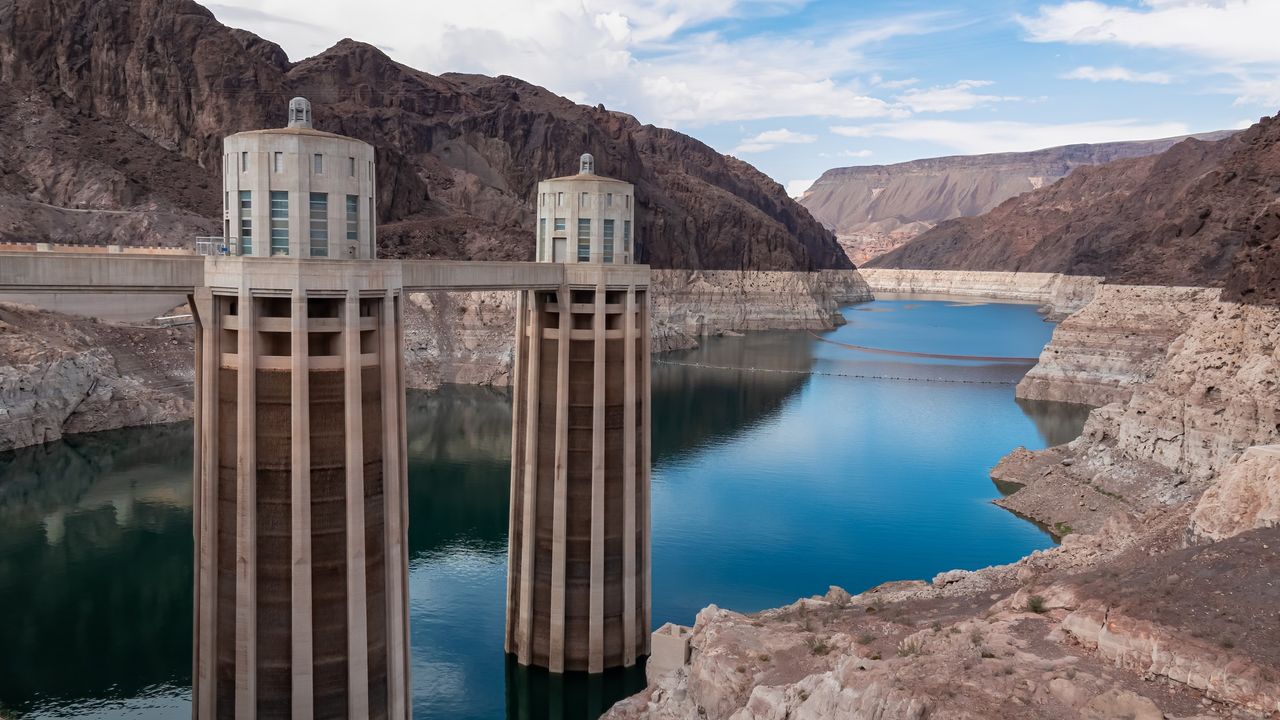
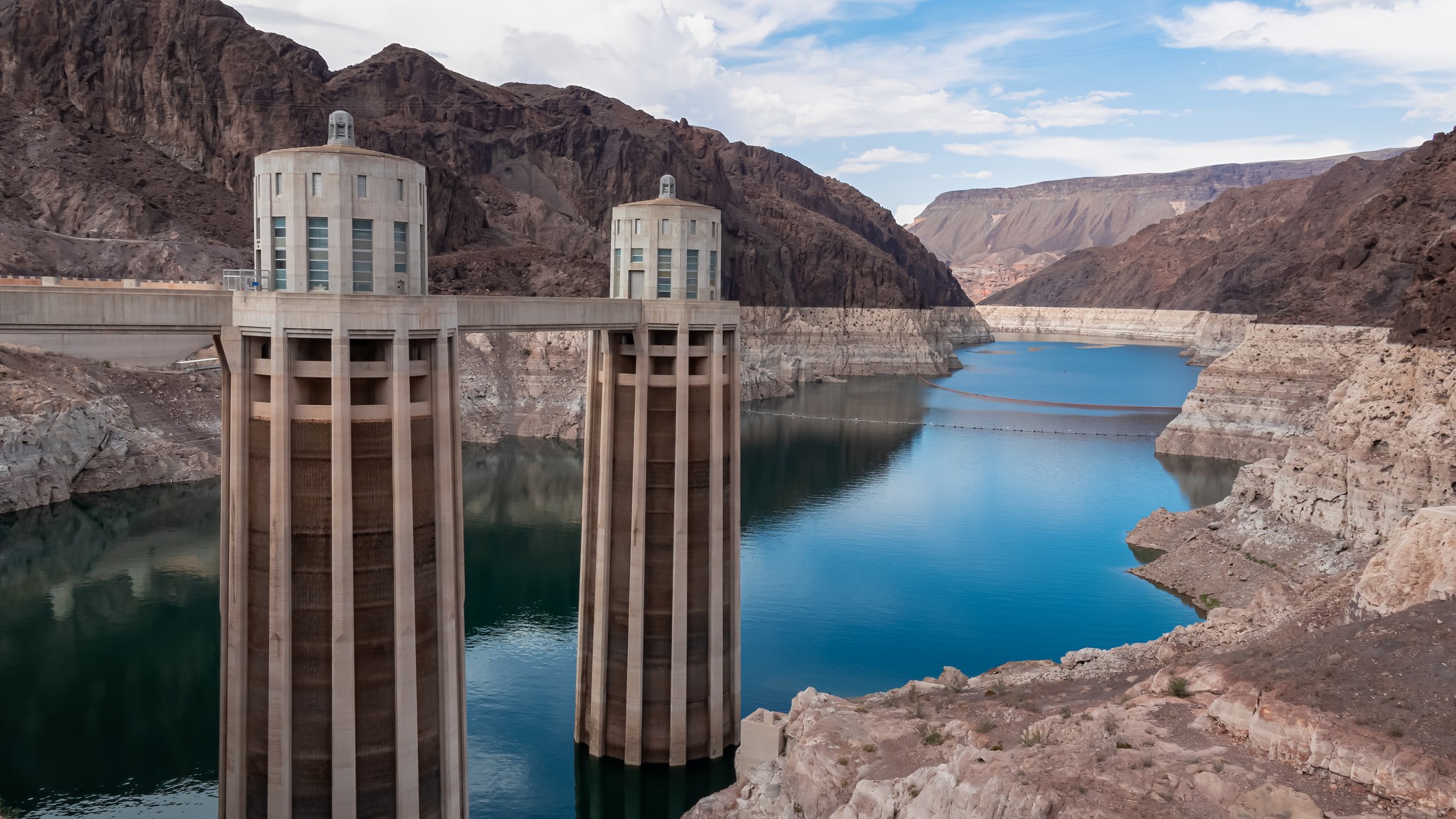
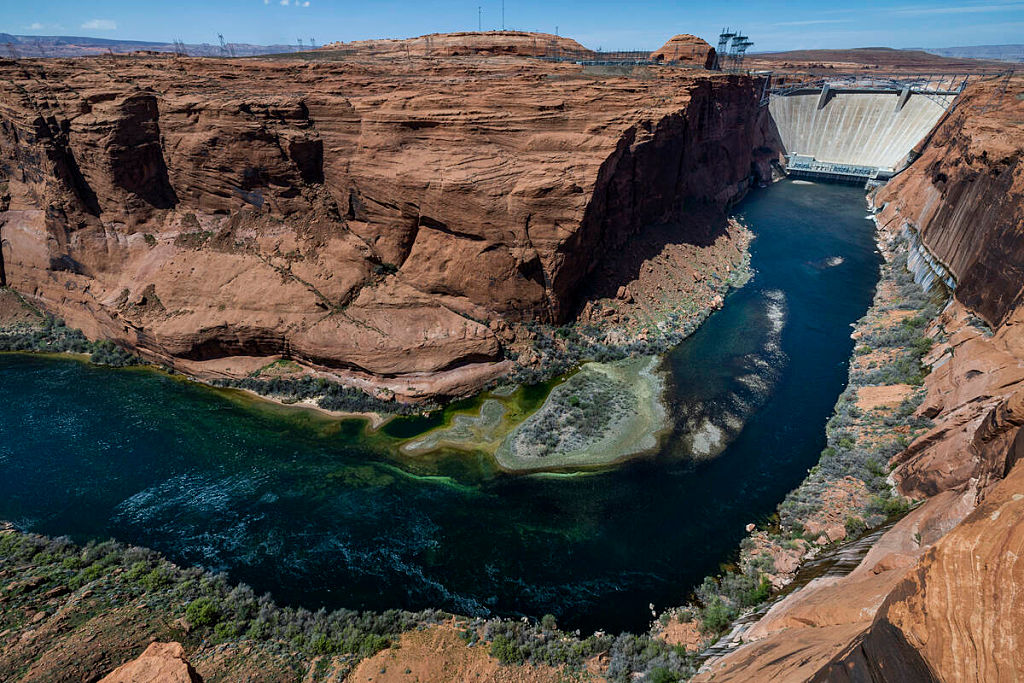
Udall estimates that Lake Mead, which serves almost 25 million people in cities such as Las Vegas and Los Angeles, and Lake Powell, which supplies Lake Mead and Indigenous tribes, will be only about 20% full over the coming months. Without adjustments in reservoir release, water levels could drop low enough to prevent energy production at Glen Canyon Dam, which usually produces enough electricity to power over 350,000 homes.
"We're close to dead pool," Udall said. This is when the water level in a reservoir falls so low that it can't flow downstream. "That's never happened, and it's very serious."
It would take years of unusually high precipitation and runoff to recover from the current state, according to Megdal. "It is a challenging situation," she said. "You really have to adjust to a new normal."
To make matters worse, "data centers are popping up everywhere in this region," Obringer said. A midsize data center uses up to 300,000 gallons (1.4 million liters) of water per day for cooling, and this number will only increase as temperatures rise. Much of the water that runs through the system can be reused, but some is consumed to generate the electricity to power data centers.
RELATED STORIES- Drought paradox study reveals plants around Colorado River turn to groundwater when it gets too hot and dry, reducing flow into the already strained basin
- Parts of Arizona are being sucked dry, with areas of land sinking 6 inches per year, satellite data reveals
- There's 13 Great Lakes' worth of water hidden beneath the contiguous US, new map reveals
Some small steps to mitigate the problem are already in the works. Some municipalities are buying water rights and groundwater from rural areas in the region, Megdal said. For instance, the rapidly-growing town of Queen's Creek, Arizona, is purchasing groundwater from farmers and investors in the sparsely populated Harquahala valley. Arizona is also drawing up agreements with California and Mexico to obtain desalinated water.
"I do think there's a tremendous capacity to adapt," Megdal said.
But a more durable solution will require a major overhaul of the existing agreements and water rights to reflect reality, Udall said.
"We've got to have an agreement on how to share the water we have and not pretend we live in the past," he said. "We need to adjust this system to deal with a completely new reality of much less water flow. We've got to balance the books here."
Article SourcesObringer, R., Peterson, G., & White, D. D. (2025). Exploring the Impacts of Climate Change and Water Conservation Attitudes on Urban Water Supply in the Colorado River Basin. Water Resources Research, 61(12). https://doi.org/10.1029/2024wr039403
TOPICS
Sascha is a U.K.-based staff writer at Live Science. She holds a bachelor’s degree in biology from the University of Southampton in England and a master’s degree in science communication from Imperial College London. Her work has appeared in The Guardian and the health website Zoe. Besides writing, she enjoys playing tennis, bread-making and browsing second-hand shops for hidden gems.
View MoreYou must confirm your public display name before commenting
Please logout and then login again, you will then be prompted to enter your display name.
Logout LATEST ARTICLES 1Claude Mythos explained: Is Anthropic's most powerful AI model really too dangerous to release to the public?
 - 2DNA study of nearly 200 Indigenous genomes reveals unknown Asian 'ghost' population contributed to American ancestry
- 3Planning to stargaze in May 2026? Here's all the gear you'll need
- 4'A landmark moment for the field': FDA approves first-ever gene therapy for inherited deafness
- 5'Strong, undeniable public examples of something positive': Astronaut Chris Hadfield on why Artemis II hit him hard, and why we need to send a guitar to the moon
Схожі новини
Inside the evidence revolution — how decision-making became data driven
Cosmic-ray detection heralds era of mega-observatories for neutrinos
Fossil-Fuel Funded GOP Leaders Claim a Renowned Scientific Institution Has ‘Potential Conflicts of Interest’
