A Global Challenge: Ten Nations Navigate Life Without Rivers
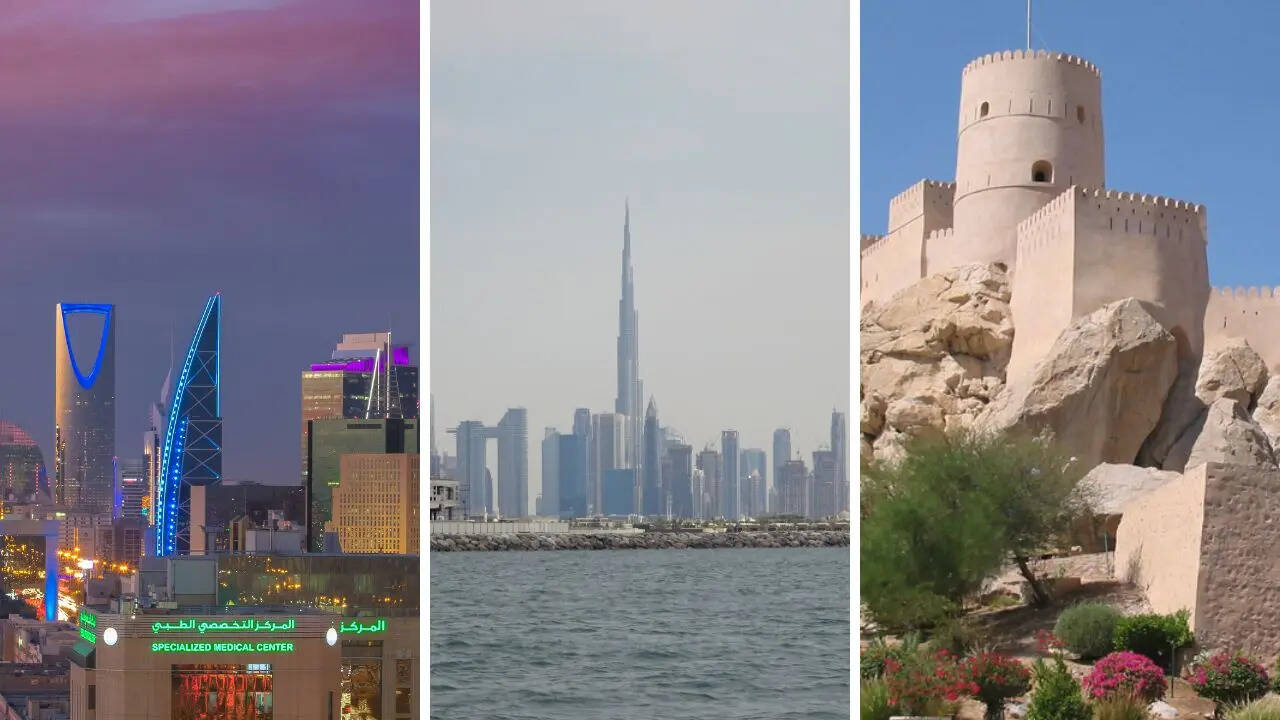
A Global Challenge: Ten Nations Navigate Life Without Rivers
Nations across arid regions and island territories have developed sophisticated water management systems to compensate for the complete absence of permanent river systems. From the Arabian Peninsula to the Indian Ocean, these ten countries demonstrate how innovative infrastructure and ancient engineering practices can sustain populations in environments historically considered inhospitable to human settlement.
The Historical Context
While most civilisations throughout history have relied upon river systems to support agriculture and establish permanent settlements, numerous regions worldwide have flourished without access to flowing rivers. Desert expanses and low-lying coral islands have necessitated the development of alternative water-security strategies. Long before modern desalination technology emerged, these communities employed ingenious methods to access underground water reserves, combining traditional hydraulic engineering with contemporary resource management approaches.
Saudi Arabia: The Largest River-Free Nation
Saudi Arabia stands as the world's largest sovereign state without rivers. The kingdom sustains its population through extensive reliance on ancient underground aquifers and numerous large-scale desalination facilities. The landscape features extensive wadis—dry riverbeds that occasionally channel heavy rainfall but cannot maintain a consistent water supply for the nation's inhabitants.
Bahrain's Shift from Natural Springs to Industrial Desalination
Bahrain possesses no surface water sources. Historically, the island nation depended on submarine freshwater springs emerging from seabed aquifers. However, population expansion has exceeded the natural capacity of these springs, causing them to become increasingly saline. Today, Bahrain relies predominantly on industrial-scale desalination plants and recycled wastewater systems to meet domestic and agricultural demands.
Monaco: A Microstate's Practical Solution
Monaco, situated on the French Riviera, lacks rivers due to its extremely limited land area and intense urban development. The principality's geography prevents the formation of natural water catchment areas. To address this challenge, Monaco maintains a water-sharing agreement with France and has implemented advanced conservation technologies to manage its limited freshwater resources efficiently.
Qatar's Desert Dependency on Desalination
Qatar's entirely flat desert landscape prevents river system formation. The nation possesses neither natural freshwater lakes nor permanent streams, making it entirely reliant on seawater desalination for drinking water production. The country's limited groundwater reserves undergo strict regulation to prevent aquifer depletion and saltwater contamination of the surrounding soil.
Yemen and Oman: Wadis and Ancient Water Systems
Yemen shares the arid characteristics of its regional neighbours, featuring only temporary riverbeds known as wadis rather than permanent water sources. These typically dry channels can transform into dangerous flash floods following seasonal rainfall events. Yemen depends heavily on deep aquifer extraction, though these supplies face mounting pressure from overuse, with minimal sustainable management infrastructure available.
Similarly, Oman comprises primarily desert and rocky mountain terrain, precluding permanent year-round rivers. The nation relies on seasonal wadis and has preserved an ancient water management system called falaj, through which communities channel underground mountain water to towns and agricultural areas. Modern desalination facilities now supplement these traditional methods to meet expanding water demands.
Malta: Geology and Groundwater Management
Malta's porous limestone geology prevents permanent river formation, as rainfall rapidly penetrates underground rather than creating surface streams. The island nation depends upon groundwater extraction, desalination technology, and treated wastewater recycling to provide sufficient water for residents while balancing limited supply against seasonal tourism-driven demand surges.
Kuwait: Industrial Conversion of Seawater
Kuwait lacks any permanent rivers, lakes, or streams. Extreme heat stress and minimal annual rainfall eliminate the geographical conditions necessary for surface water storage. The nation operates multiple multi-stage flash distillation plants and reverse osmosis facilities to convert seawater into freshwater for its entire population.
United Arab Emirates: Desalination Technology Leadership
The UAE, positioned on the Arabian Peninsula without permanent river sources, has emerged as the global leader in seawater desalination technology innovation. While limited seasonal wadi flooding provides occasional moisture, these infrequent rainfall events cannot provide reliable water security for the nation's citizens or support its rapid urban and agricultural expansion.
The Maldives: Island Archipelago's Freshwater Challenge
The Maldives, a low-lying archipelago, lacks the elevation required for river formation. The nation's water comes from a freshwater lens—a layer of underground freshwater floating above denser saltwater beneath the coral islands. These delicate freshwater reserves face vulnerability to pollution and sea level rise, necessitating rainwater harvesting and desalination to ensure adequate freshwater availability for the population.