1 in 5 Americans exposed to tasteless toxin linked to multiple cancers in tap water
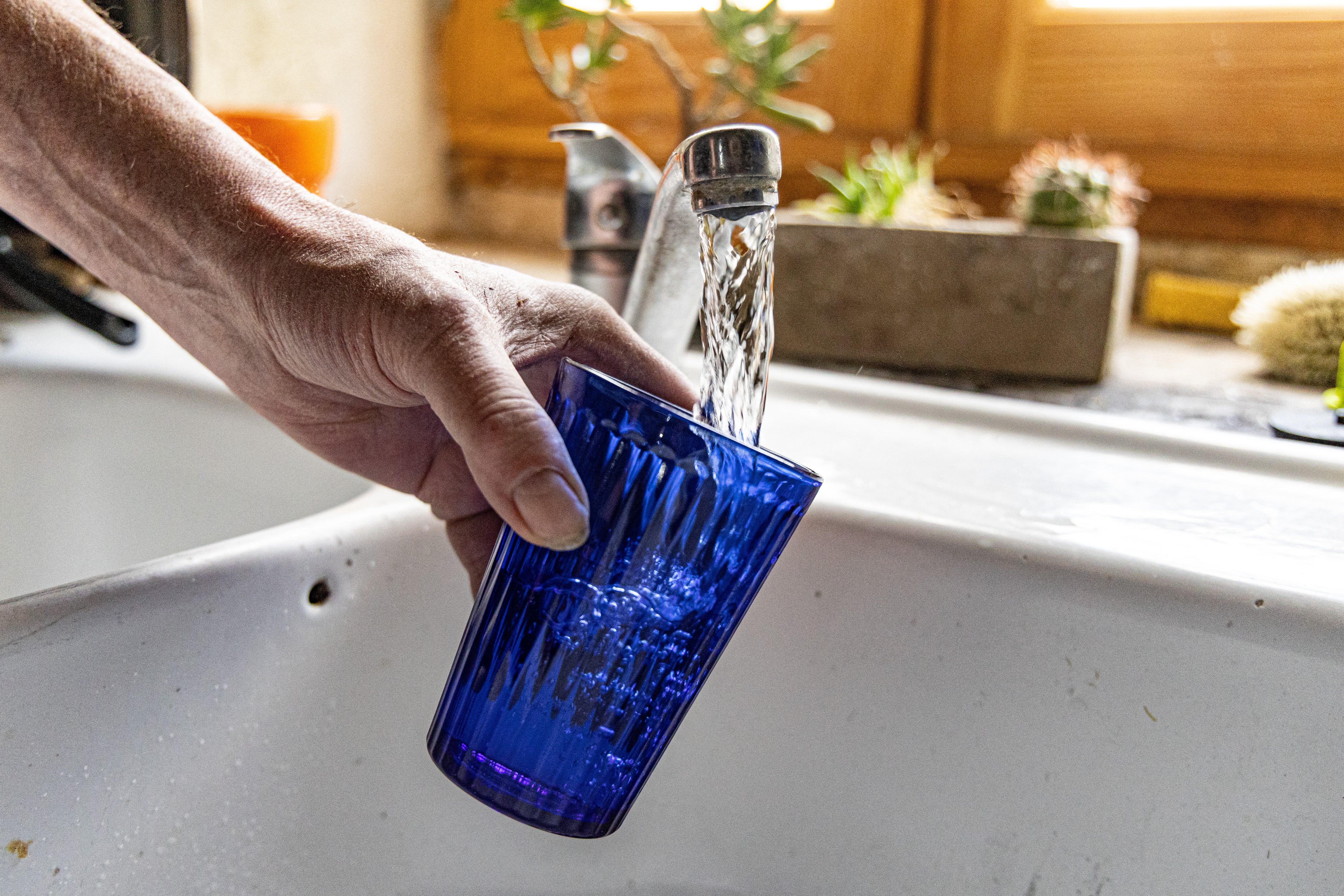
Around 1 in 5 Americans may have been exposed to a tasteless compound that is linked to multiple cancers in their tap water, according to a new study.
Invisible and odorless, nitrates at low concentrations have also been linked to thyroid disease, preterm births, birth defects and other health effects.
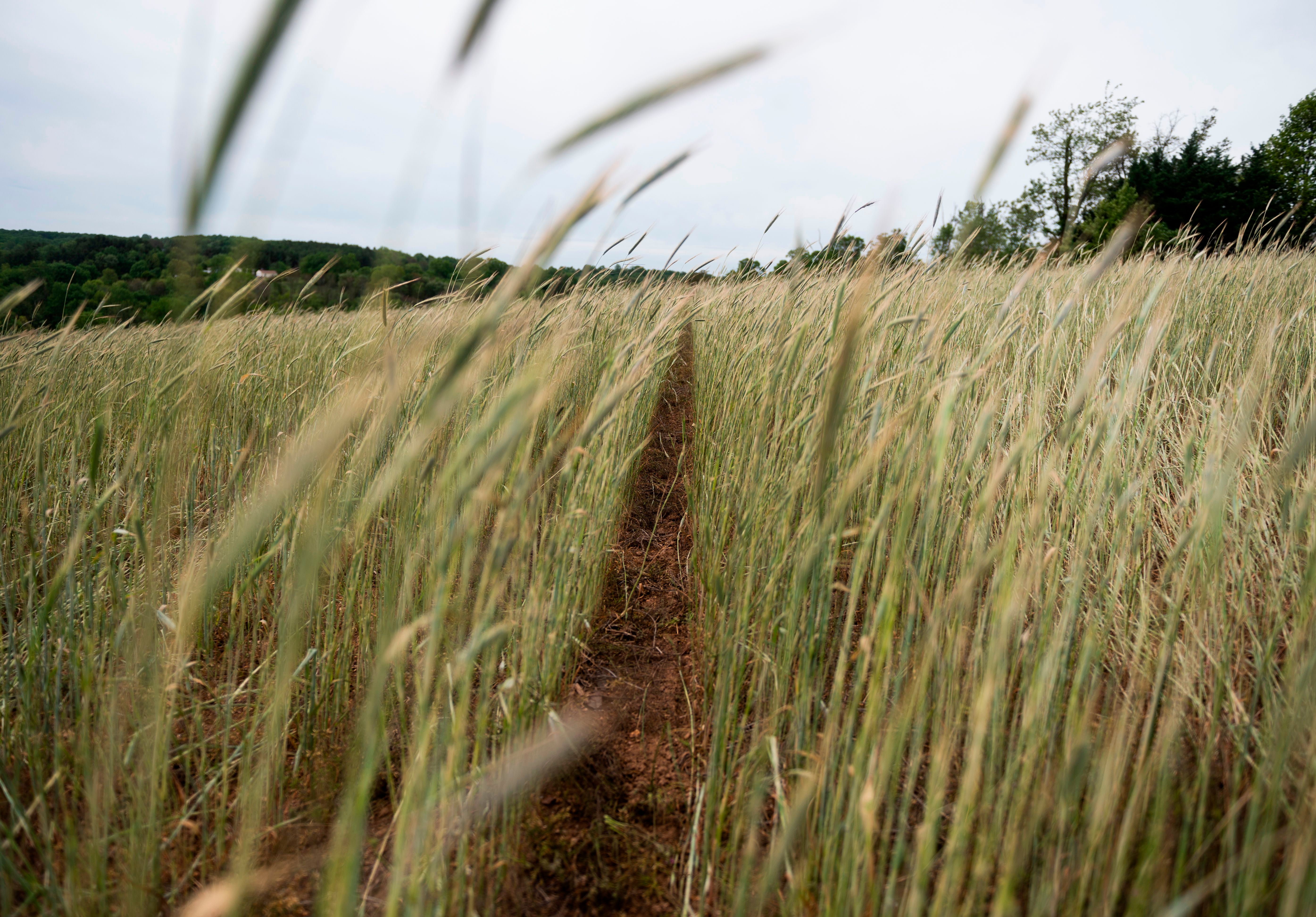
Nitrates, which are used in fertilizers, can leach into streams and rivers that supply public water systems. Manure from animal feeding operations, leaky septic tanks, urban storm runoff, and agricultural runoff are all sources of nitrate pollution.
According to a study carried out by the Environmental Working Group, more than 62.1 million people received drinking water that tested at or above 3 milligrams per liter for nitrate at least once between 2021 and 2023. The drinking water was supplied by around 6,114 community water systems.
The elevated nitrate levels are “likely human-caused,” the study says.
 open image in gallery
Currently, the Environmental Protection Agency sets a legal limit for nitrate in drinking water at 10 mg/L. That’s based on a standard set all the way back in 1962, which aimed to prevent so-called “Blue Baby Syndrome” in which newborns were starved of oxygen due to nitrate poisoning.
According to the EWG, 606 of the 39,592 community water systems tested reported nitrate levels at or above the 10 mg/L limit.
However, new research suggests that there is an increased risk of colorectal and other cancers, thyroid disease, and birth defects when nitrate levels are at 5 mg/L and other levels below the legal limit.
Researchers at the EWG released a meta-analysis of 8 studies evaluating the link between colorectal cancer and nitrate in drinking water. The study found that a limit of 0.14 mg/L is needed to reduce the risk of cancer.
However, an update to the group’s Tap Water Database found that 178 million people were served by public water systems with nitrate exceeding that limit.
California, Pennsylvania, Washington, Kansas, North Carolina, New York, Nebraska, Texas, Arizona and Wisconsin were found to account for 60 percent of all water systems with elevated levels of nitrate.
Ben, a 13-year-old from Des Moines, Iowa, contacted Iowa State Representative Dr. Austin Baeth, urging him to investigate the issue in his own state.
 open image in gallery
“I remember when I could drink water from the faucet, but now it is a health concern,” he wrote, according to a TikTok video shared by Baeth. “Please don’t ignore this problem!”
After reading a poem also sent by Ben, Baeth said, “It’s like the fifth time I’ve read this, and I still get choked up.”
“As a parent, hopefully someday as a grandparent, I feel it is so crucial that we adults step up for our kids,” he added.
According to the EWG, Des Moines Water Works built a nitrate removal facility in 1992 for around $4.1 million. Now, the facility costs around $10,000 per day to operate during the summer.
In 2025, the nitrate removal system was operated for 112 days to keep the compound's levels under control.
However, the cost of not addressing nitrate pollution is also high, the EWG says. The non-profit suggests that treating cancers linked to nitrate exposure could be costing the United States between $250 million and $1.5 billion annually.
The EWG also wrote that shifting weather conditions, linked to climate change, increase runoff and soil erosion, amplifying the issue of nitrate leaking into water sources.
The group says that policy reform, including encouraging farmers to cover their crops or diversify crop rotations, could help get a hold of the problem.
Join our commenting forum
Join thought-provoking conversations, follow other Independent readers and see their replies
CommentsСхожі новини